Engineered Wood Flooring Cracking Noise
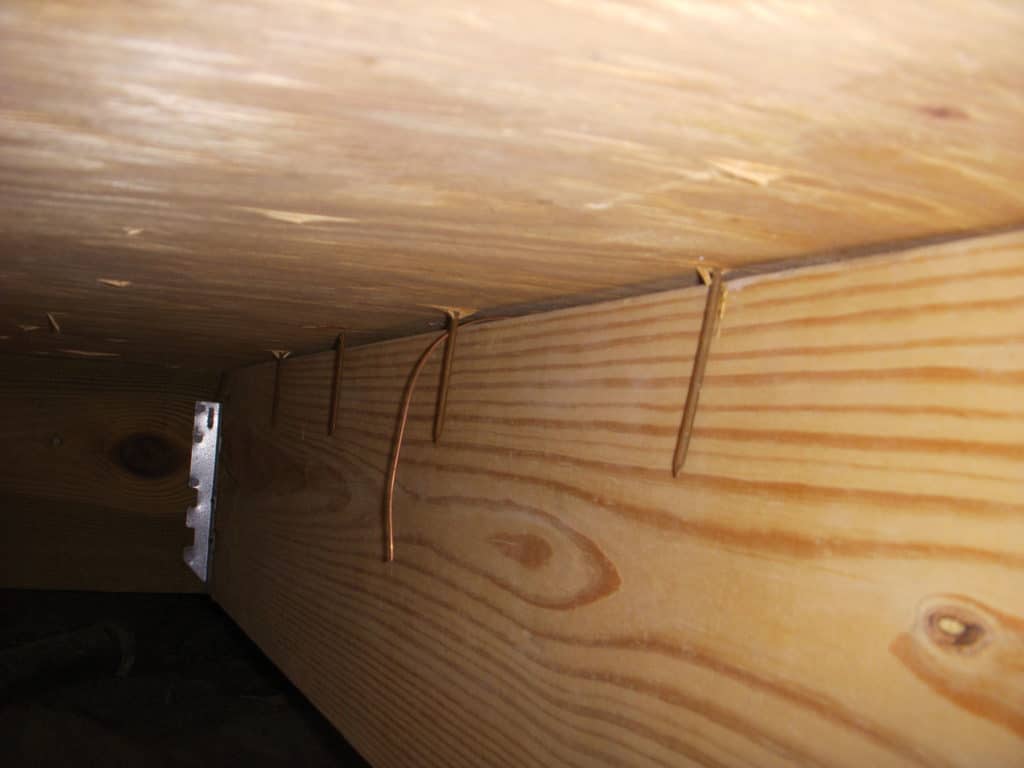
Squeaking Popping And Crunching Engineered Floors Hardwood Floors Magazine
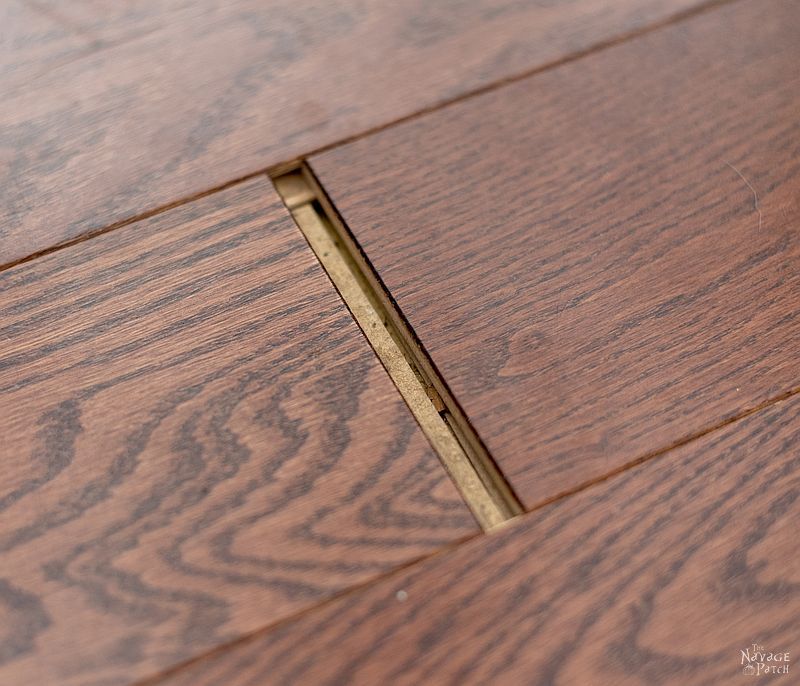
How To Fix Floating Floor Gaps Diy Floor Gap Fixer The Navage Patch

Fixing Cracks In Engineered Flooring Jlc Online
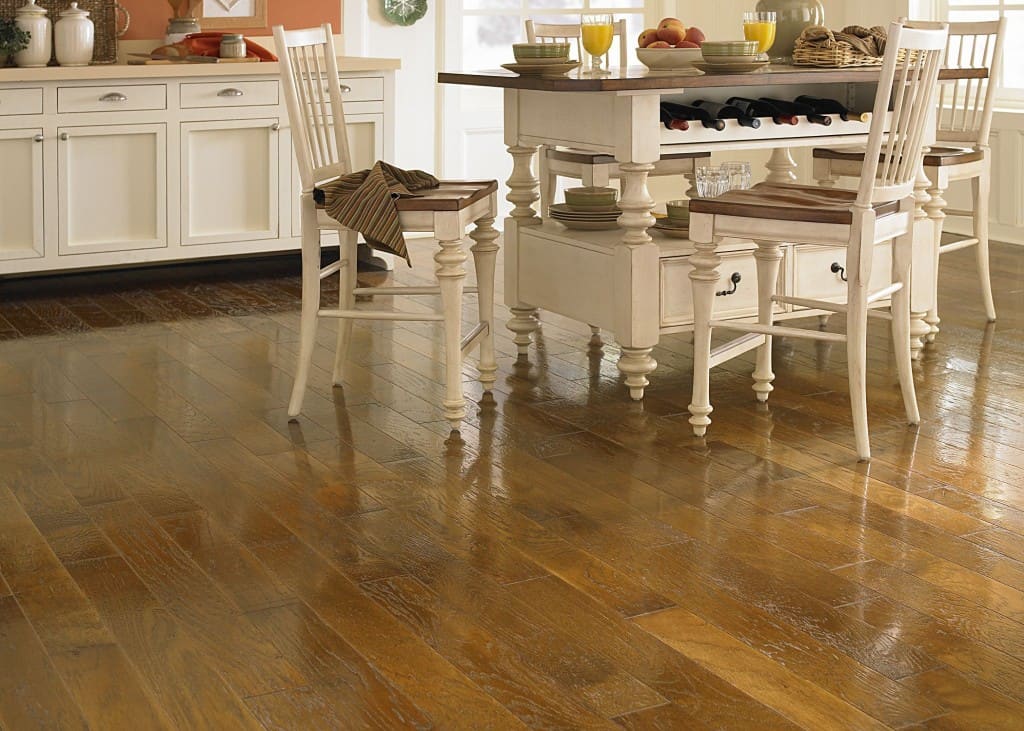
Wood Flooring And Humidity

Parquet Flooring Cracking Sound Floor And Laminateflooring Flooring Wood Floor Colors Hardwood Floor Colors
.jpg)
All About Hardwood Flooring The Common Cleaner That Ll Ruin Them Laurel Home
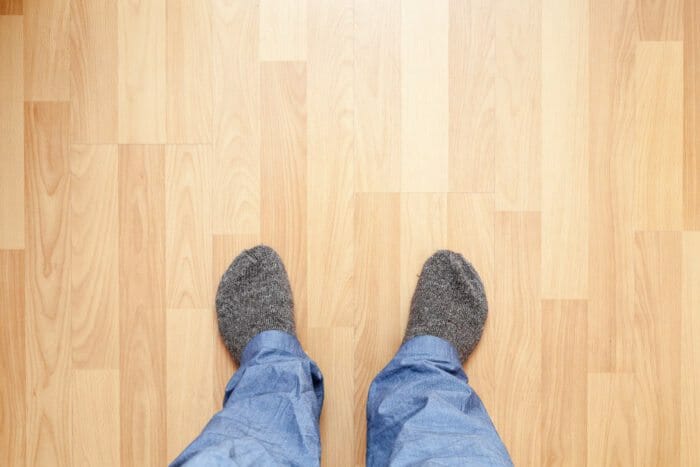
What causes a creaking popping noise in hardwood floors.
Engineered wood flooring cracking noise. With improved stability you would expect fewer squeaking popping and crunching complaints. Sometimes you might walk across your floors and hear a popping or creaking noise. A few trim screws inserted through the boards can help stop the squeak or you can place shims between the subfloor and the joist if accessible. Creaks coming from wood floors happen for a number of reasons from loose nails to separation from the subfloor.
Not directly over the floor joists as they were in very. Over time the boards are starting to make a crackling sound when you walk on them. The hardwood floors are installed over plywood. It occurred one week and not the next.
Floors that make a popping sound. Understand the fundamentals of engineered wood flooring a couple years back i did an experiment on a job where i was installing 2 500 square feet of 3 inch wide product x. I have hardwoods throughout the house. The sound happens when a plank.
How to stop hardwood floor from making noise. When it did occur the crackling was throughout the house. There are many reasons but improved stability is one major factor. Sometimes the floors would be quieter after walking on them in the morning and the next day the noise would return.
This crackling noise was an intermittent symptom. The noise you are hearing is the minute wood fibres separating or tearing away from each other later to re bond with the help of air humidity hence the cycle happens again and again. Some background the floors are likely original 1968. One trend we have seen within our industry over the last couple of decades has been the movement toward engineered wood flooring.
While this doesn t mean your floors are defective there are various reasons it can occur. If your floors are nailed down to the subfloor the popping noise could be coming from the nails. Creaking popping and snapping sounds can emanate from a hardwood floor that has been nailed to a wood subfloor as well as one that has. Wood is a building material that is susceptible to moisture.
You can often get this type of noise more in the morning and is simply the engineered wood shifting from the cold nights contraction into the warmer mornings.

Incompetent Installers Lead To Crackling Wood Floor Wood Floor Business Magazine
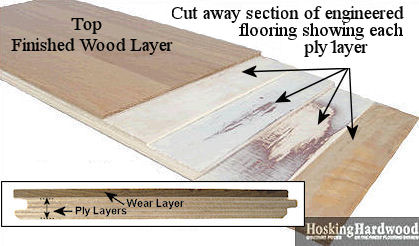
All About Floating Wood Floors

Take Steps To Avoid Noise Complaints With Floating Floors Wood Floor Business Magazine
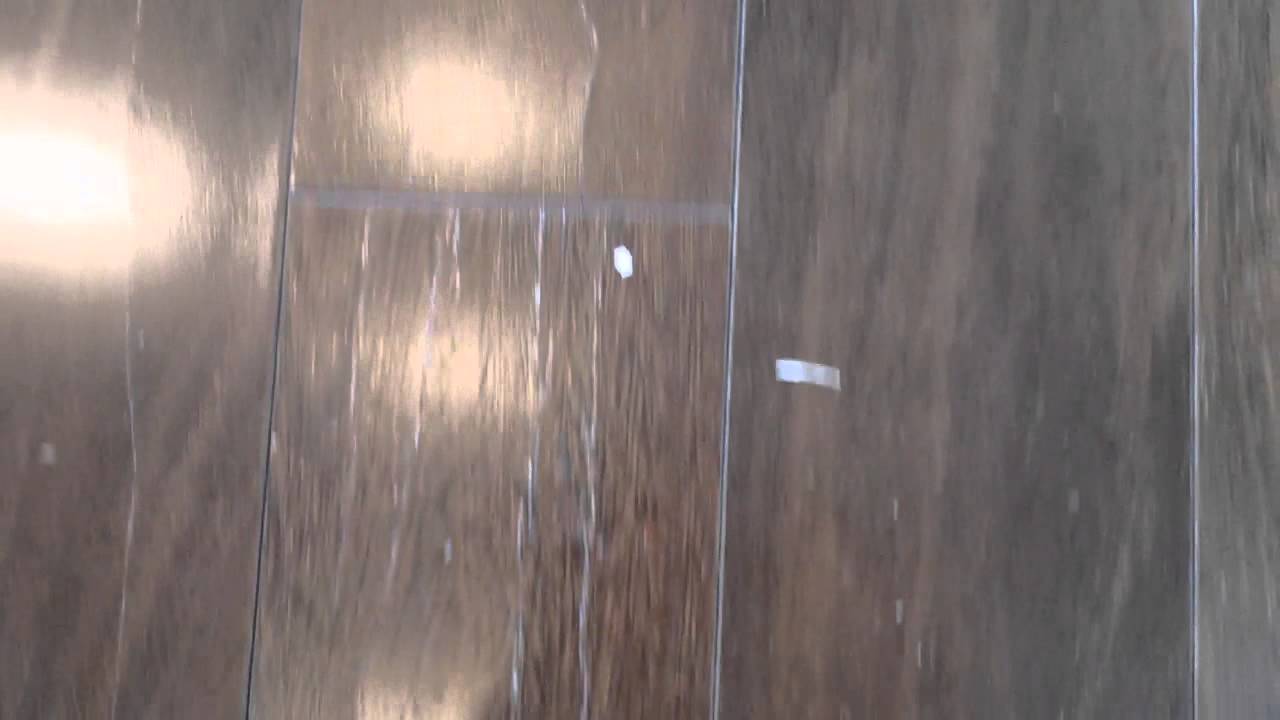
Why Is My Wood Floor Cracking

Are Gaps In Engineered Wood Flooring Normal Old Wood Floors Refinishing Hardwood Floors Painted Hardwood Floors
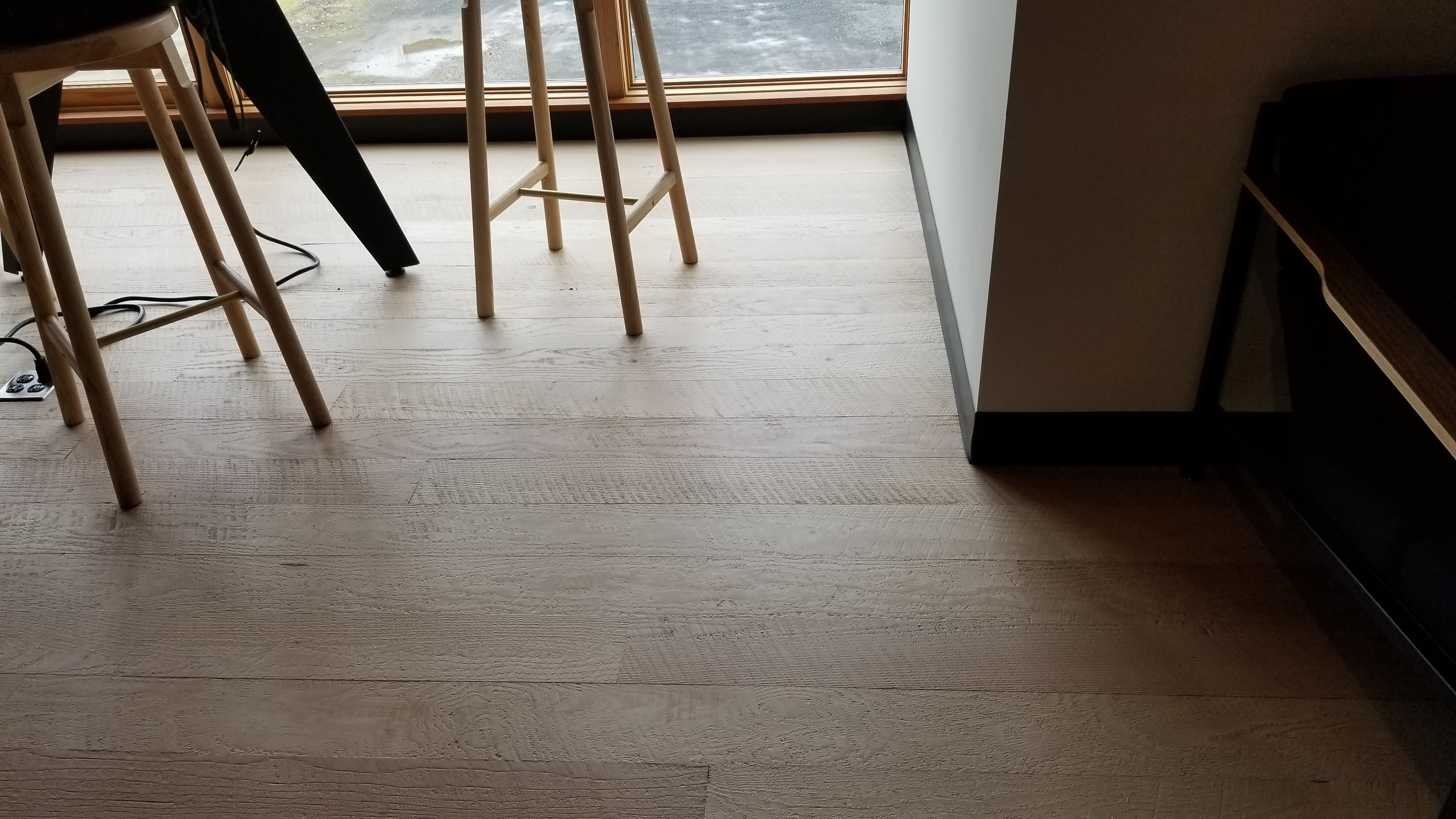
7 Common Problems With Wood Flooring

3 4 Inch Thick Engineered Hardwood Flooring 5 8 Mm Wear Layer

Filling Gaps In Prefinished Wood Floors Floor Central Wood Floors Wide Plank Prefinished Hardwood Floors Old Wood Floors

Cork Flooring Noise Reduction Hardwood And Engineeredhardwood Diy Hardwood Floors Laying Hardwood Floors Laying Wood Floors
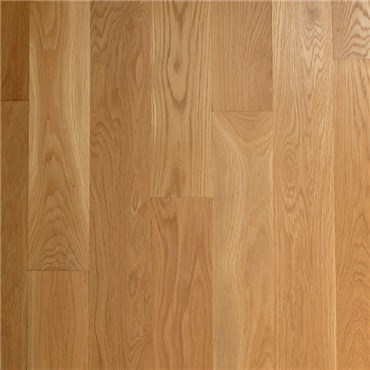
Discount 5 X 5 8 White Oak Select Better Unfinished Engineered Hardwood Flooring By Hurst Hardwoods Hurst Hardwoods

Pin On Hardwood
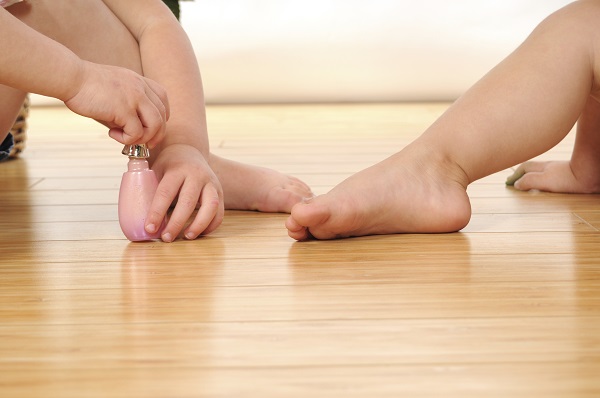
Wood Flooring And Cold Weather Martin S Flooring
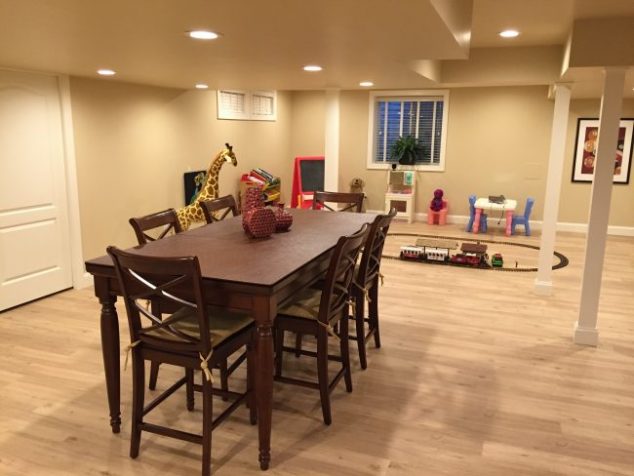
Engineered Hardwood Flooring Pros Cons Install Cost

